Transfer-on-Death Deeds: How Some Homeowners Keep a Home Out of Probate
A transfer-on-death deed lets a homeowner name who inherits the property directly, without probate — where state law allows it. What it does, who it's commonly discussed for, and its limits.
· 6 min read · Transfer-on-death deeds, Homeownership, Estate planning basics
For many households, a home is the single most valuable thing they own. It’s also one of the assets most likely to get tangled up in probate — the court-supervised process of settling an estate — if no planning is in place.
A transfer-on-death deed (sometimes called a “TOD deed” or “beneficiary deed”) is one tool that’s commonly discussed for homeowners who want their property to pass directly to a named person when they die.
What a transfer-on-death deed does
A transfer-on-death deed names a beneficiary who automatically receives the property when the owner dies. While the owner is alive, nothing changes:
- The owner keeps full control of the property.
- The owner can sell it, refinance it, or change their mind at any time.
- The named beneficiary has no rights to the property until the owner’s death.
When the owner dies, the property passes to the named beneficiary outside of probate — similar to how a beneficiary designation works on a retirement account or life insurance policy.
Why probate avoidance matters to some households
Probate isn’t inherently bad, but it can be slow, public, and — depending on the state — costly. For a household whose main asset is a home, having that home pass directly to a chosen person can mean:
- The beneficiary gets clear title faster.
- The transfer stays private rather than becoming part of a public court record.
- The estate avoids some of the cost and delay that probate can add.
Who this is commonly discussed for
Transfer-on-death deeds come up most often for:
- Homeowners with a clear, single intended heir — for example, leaving the home to one adult child or a partner.
- Unmarried partners who want to ensure housing continuity for the surviving partner, since unmarried partners generally have no automatic inheritance rights.
- Households that want to keep a home out of probate without setting up a more complex structure like a trust.
Important limits
A transfer-on-death deed is not a fit for every situation, and it has real limitations:
- Availability varies by state. Not every state authorizes transfer-on-death deeds, and the rules differ where they do exist. This is one of the most important things to confirm for your jurisdiction.
- It only covers the property described in the deed. It does nothing for your other assets, your minor children, or decisions about your medical care.
- It doesn’t replace a will. Most households that use a transfer-on-death deed still need a will and incapacity documents to cover everything else.
- Co-ownership and mortgages complicate things. How the property is titled and whether there’s a mortgage or co-owner affects whether — and how — a transfer-on-death deed works.
How it fits a broader plan
A transfer-on-death deed is usually one piece of a larger picture rather than a standalone solution. Households that own real property often pair it with a core will, durable financial power of attorney, and health care documents so that both their property and their decision-making are covered.
In Connecticut
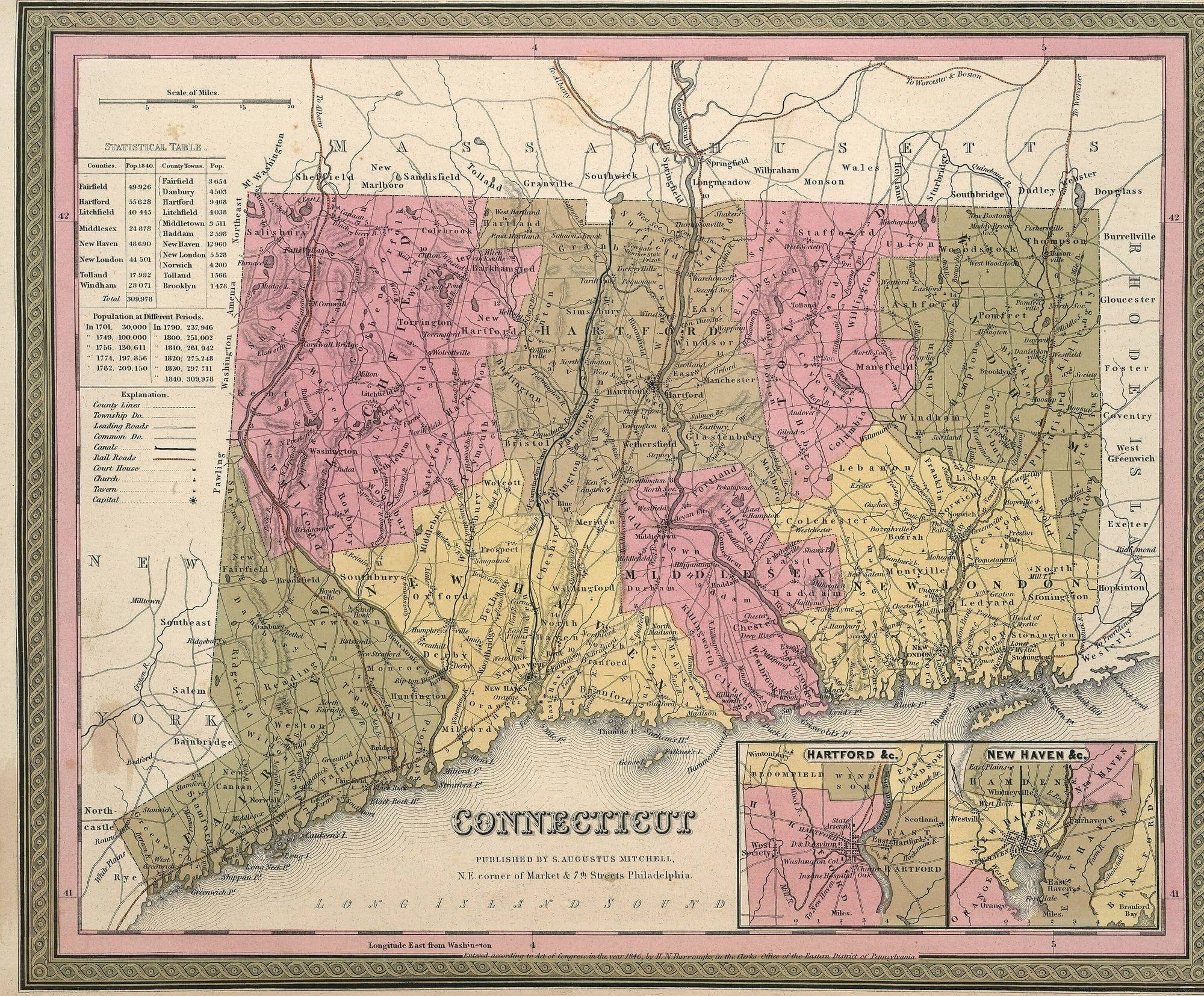
Connecticut doesn’t currently provide for transfer-on-death deeds for real estate. If you own your home in Connecticut, your attorney will go over the other ways it can pass outside probate or with less of it, such as how the deed is held or a revocable trust. A home in another state may be different.
This article provides general educational information and is not legal advice. Whether a transfer-on-death deed is available or appropriate depends on your state and your specific circumstances. Our attorneys advise on Connecticut law.
General information, not legal advice. This article explains common estate-planning topics. It doesn't account for your circumstances, and reading it doesn't make you a client of Johns & Mathews Legal. Rules differ from state to state; our attorneys advise on Connecticut law.