Demonstration site: the people, contact details and documents are placeholders. How this demo works

The ornate reading room of the Connecticut State Library in Hartford: gilded ceiling, chandeliers and long reading tables

Resources

Plain answers to common estate planning questions.

Short guides to the documents in an estate plan and how they work together, so you can come to your first meeting with better questions.

Facts and figures, with their sources

All articles

Shelves of old leather-bound law reports with red and gilt spine labels
Do You Need a Living Trust? For Most Working Families, Not Yet Living trusts are sold hard, but for most households with modest assets a will, beneficiary forms and the right deed do the job for far less. Here is when a trust earns its cost, and when it doesn't. · 6 min read
People meeting across a wooden table with notes, a tablet and coffee
Who Pays Your Bills If You Can't? The Durable Financial Power of Attorney A durable financial power of attorney lets someone you trust keep the rent, the mortgage and the bank accounts running if illness or an accident stops you. Here is what it does, why choosing the person matters most, and the safeguards worth knowing. · 6 min read
An older mother and her grown daughter embracing and smiling
The Who and the What: Your Health Care Representative and Living Will A health care proxy names who speaks for you; a living will says what you want. Why you need both, and why it helps to put your wishes about feeding tubes in writing. · 7 min read
Old books on a dark wooden shelf
Five Documents, One Plan: How a Basic Estate Plan Fits Together A basic plan answers two questions: who acts for you if you're alive but can't, and who gets what when you die. Here is which document answers which, and why beneficiary forms can quietly undo a will. · 5 min read
A toddler walking between two parents, holding a hand of each
Leaving Money to Someone on SSI or Medicaid: Why It's a Lawyer Moment Someone on SSI can keep only $2,000 in countable resources. An inheritance left to them directly can end the benefits they rely on. A special needs trust is the usual answer, and it needs a lawyer. · 5 min read
A hand signing a document at a desk
Beneficiary Designations: The Estate-Planning Detail That Overrides Your Will Retirement accounts, life insurance, and certain bank accounts pass directly to whoever you named as beneficiary — not to whoever your will says. Here's what to review and why. · 5 min read
A father reading a picture book with his young daughter on the sofa
Naming a Guardian for Your Minor Children: The Most Time-Sensitive Planning Step for Parents If both parents are gone and no guardian is named, a court decides who raises your children. What naming a guardian does, how it works, and why it's often the first priority for parents. · 5 min read
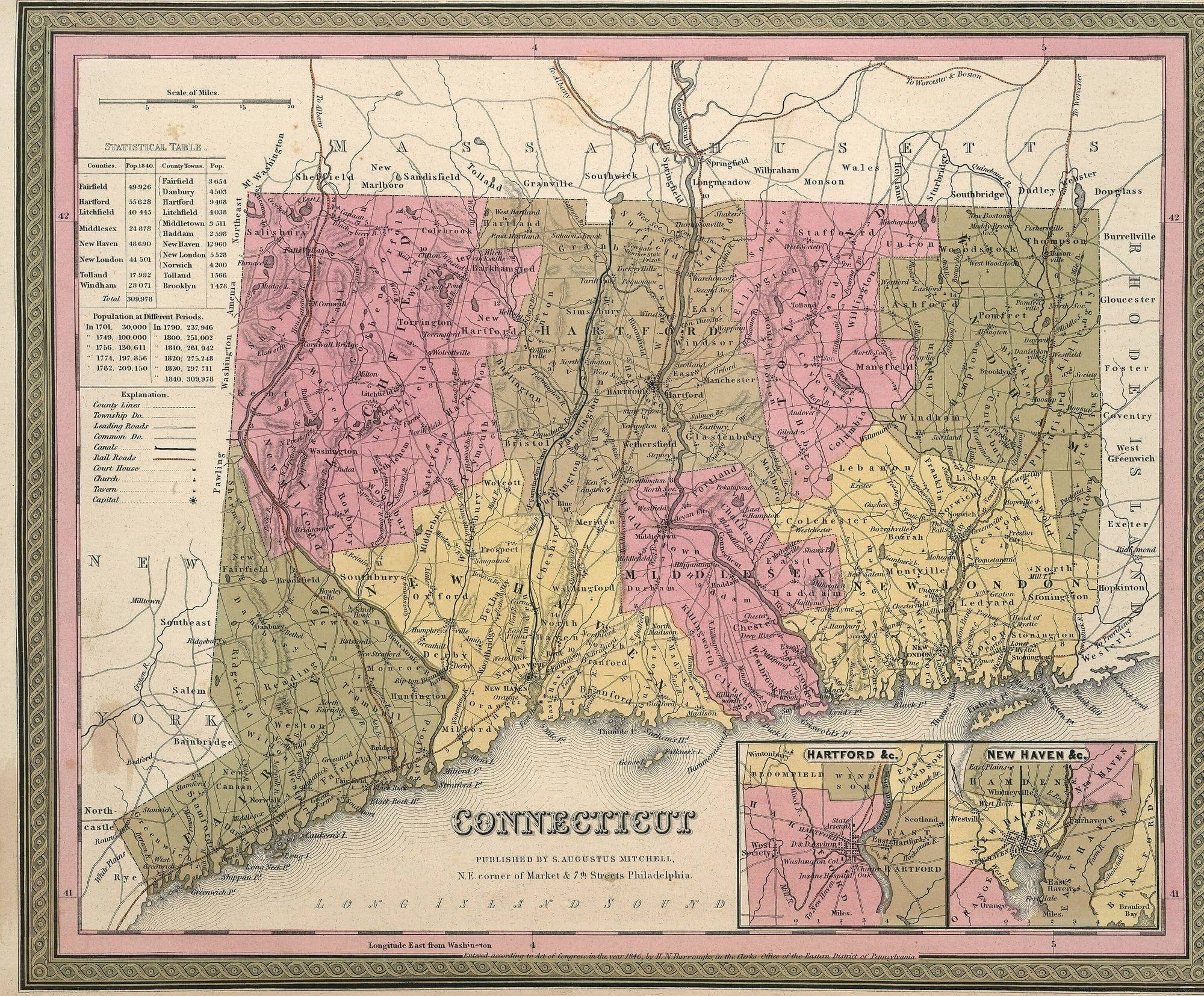
S. Augustus Mitchell's 1846 map of Connecticut, hand-colored by county, with insets of Hartford and New Haven
Transfer-on-Death Deeds: How Some Homeowners Keep a Home Out of Probate A transfer-on-death deed lets a homeowner name who inherits the property directly, without probate — where state law allows it. What it does, who it's commonly discussed for, and its limits. · 6 min read
An older couple on their sofa at home, looking at a tablet together
Advance Directives Explained: Health Care Proxy, Living Will, and Financial Power of Attorney Three documents that protect your ability to direct decisions when you're incapacitated. What each one does, who needs it, and why they often come before a will. · 7 min read
A fountain pen resting on a handwritten page
Why Every Adult Needs a Will — Even If You Think You Don't Have Enough to Leave Most adults don't have a will. Here's what happens without one, who is most affected, and what a will actually does for everyday households. · 6 min read

Was this page helpful?

Take the full demo survey (about 5 minutes)